人教版高中英語(yǔ)教案?人教版高中英語(yǔ)必修4《Unit 4 Body language》教案【一】 教學(xué)準(zhǔn)備 教學(xué)目標(biāo) 1. 教學(xué)目標(biāo) (1)知識(shí)目標(biāo):學(xué)生能掌握下列重點(diǎn)單詞和短語(yǔ)的意義和用法:greet, represent, approach, expression, defend, misunderstand, adult, cheek, major, likely, in general。那么,人教版高中英語(yǔ)教案?一起來(lái)了解一下吧。
教案包括教材簡(jiǎn)析和學(xué)生分析、教學(xué)目的、重難點(diǎn)、教學(xué)準(zhǔn)備、教學(xué)過(guò)程及練習(xí)設(shè)計(jì)等。
篇一教學(xué)準(zhǔn)備
教學(xué)目標(biāo)
知識(shí)目標(biāo):
復(fù)習(xí)兩個(gè)閱讀技能---scanning, skimming;
學(xué)習(xí)本單元的部分生詞。
能力目標(biāo):
能形成文章的圖式,在圖式的幫助下自主地復(fù)述本課的主要內(nèi)容,在此過(guò)程中實(shí)現(xiàn)生詞的重現(xiàn)。
情感目標(biāo):
學(xué)生在教師的啟發(fā)下,通過(guò)師生互動(dòng)和生生互動(dòng),進(jìn)一步探究知識(shí)。在這一過(guò)程中,學(xué)生可以不斷地實(shí)現(xiàn)互相教育和自我教育,并能尋求自我發(fā)展;
學(xué)生能明白計(jì)劃的重要性,并能收獲一些與之相關(guān)的諺語(yǔ)。
教學(xué)重難點(diǎn)
形成文章的圖式,并在圖式的幫助下復(fù)述文章的主要內(nèi)容。
教學(xué)工具
課件
教學(xué)過(guò)程
Steps
Teacher’s activity
Students’ activity
Aims
Step 1
Show and tell the students the learning goals for them and make possible explanations
Students listen to the teacher and have an idea of what they are going to learn in this class.
To make the students know what they are to learn in this class
Step 2
1). Show some pictures with beautiful scenery
2) Ask the students two questions:
Are they attractive?
Where do you want to travel? – I dream about traveling
1.) Students appreciate those pictures
2) Students answer teacher’s questions and practice the sentence pattern I dream about traveling in/to
1). To arouse students’ interest
2) To practice a sentence pattern
Step 3
1). Show the title of the reading passage
2). Ask the students whether this passage is about the whole process of the journey.
3). Ask the students how to skim.
4) Tell the students the skill of skimming on the screen
1) Students answer the question after they read the subtitle of this part.
2). Students tell how to skim.
1) To make the students pay attention to the subtitle, which can tell the main idea of the passage.
2) To review how to skim
Step 4
1) Ask the students to skim moreto find out the main idea of each paragraph.
1) To practice how to skim
Step 5
With four questions, teacher asks the students to scan paragraph 1
Ask students how the scan
Show the skills of scanning on the screen
Students scan paragraph 1, and answer the four questions
Students tell how to scan
To review how to scan
To practice how to scan
Step 6
1) Ask the students to scan paragraph 2 and find out what different attitudes Wang Kun and Wang Wei have, and then finish the table
1) Students scan paragraph 2 and finish the table
1) To practice how to scan
Step 7
1) Provide the students with a picture which describes a geographic word as well as a few sentences about the flow of the Mekong river on each slide and ask them to read the sentences.
2) Ask the students to match each geographic word to the proper meanings
1) Students read the sentences loudly together and look at the pictures and the related geographic words in the meanwhile.
2) Students do the matching work
1) To better know how the Mekong river flows
2) To help the students better learn the geographic words which are new to them
3) To check how the students understand the new words
Step 8
Review the structure of the passage together with the students and show some key words on the screen
Provide the students with some words and phrases which are the new words in this unit
Ask them to retell the main content of the passage in groups
With the teacher, students review the structure of the passage
Retell the main content of the passage in groups
To help students form the schema of the passage by reviewing the structure of it
To know the content of the passage better as well as to create more chances for the students to use the new words
Step 9
1) Ask the students what they learn from the story
2) Give the students some useful and related proverbs
1) Students share their opinions with the group members what they have learned from the story.
2) Students read the proverbs loudly together.
1) To encourage students to form their own views and share them with others
2) To learn some useful proverbs
Step 10
1) Summarize this class by showing the learning goals again
2)Homework
1) Students review what they have learned by reading the learning goals on the screen.
1) To help students review what they have learned in this class
篇二
教學(xué)準(zhǔn)備
教學(xué)目標(biāo)
1. 通過(guò)學(xué)生分享自己的旅游經(jīng)歷,用英語(yǔ)進(jìn)行交流與表達(dá)。
人教版高中英語(yǔ)必修1《Unit 3 Travel journal》教案【一】
教學(xué)準(zhǔn)備
教學(xué)目標(biāo)
1. 通過(guò)學(xué)生分享自己的旅游經(jīng)歷,用英語(yǔ)進(jìn)行交流與表達(dá)。
2. 通過(guò)略讀與找讀,使學(xué)生獲取文章主要信息,練習(xí)閱讀技巧。
3. 通過(guò)小組討論為旅游準(zhǔn)備的物品,使學(xué)生用英語(yǔ)簡(jiǎn)單的語(yǔ)言實(shí)踐活動(dòng)。
教學(xué)重難點(diǎn)
教學(xué)重點(diǎn):利用閱讀技巧,獲取文章大意及細(xì)節(jié)
教學(xué)難點(diǎn):用英語(yǔ)交流并進(jìn)行簡(jiǎn)單實(shí)踐活動(dòng)—旅游需要準(zhǔn)備的物品
教學(xué)過(guò)程
I、Warming Up:
1. I’d like to share my travelling experience with you, and would you like to share your travelling experience?
2. The world has many great rivers. Have you been to these rivers?
設(shè)計(jì)意圖:大部分學(xué)生都喜歡旅游,老師談?wù)勛约郝糜蔚慕?jīng)歷,詢問(wèn)學(xué)生的旅游經(jīng)歷。列舉世界上著名的河流圖片,讓學(xué)生來(lái)欣賞認(rèn)識(shí)美好的河流。能有效地調(diào)動(dòng)學(xué)生的學(xué)習(xí)積極性。河流圖片的展示,學(xué)生猜測(cè)河流的名字,喚起學(xué)生的學(xué)習(xí)興趣以及對(duì)大自然的熱愛。

人教版高中英語(yǔ)選修7《Unit 4 Sharing》教案【一】
教學(xué)準(zhǔn)備
教學(xué)目標(biāo)
1. 學(xué)生能通過(guò)尋找每段的主題句歸納文章結(jié)構(gòu)。
2. 學(xué)生能夠通過(guò)在課文中尋找相關(guān)表述感知作者態(tài)度。
3. 學(xué)生能夠基于文本信息和話題相關(guān)語(yǔ)言,通過(guò)小組合作完成一封回信,表達(dá)個(gè)人感受。
教學(xué)重難點(diǎn)
1. 學(xué)生能通過(guò)尋找每段的主題句歸納文章結(jié)構(gòu)。
2. 學(xué)生能夠通過(guò)在課文中尋找相關(guān)表述感知作者態(tài)度。
3. 學(xué)生能夠基于文本信息和話題相關(guān)語(yǔ)言,通過(guò)小組合作完成一封回信,表達(dá)個(gè)人感受。
教學(xué)過(guò)程
教學(xué)過(guò)程
Step1:Warm-up andlead-in (5 mins)
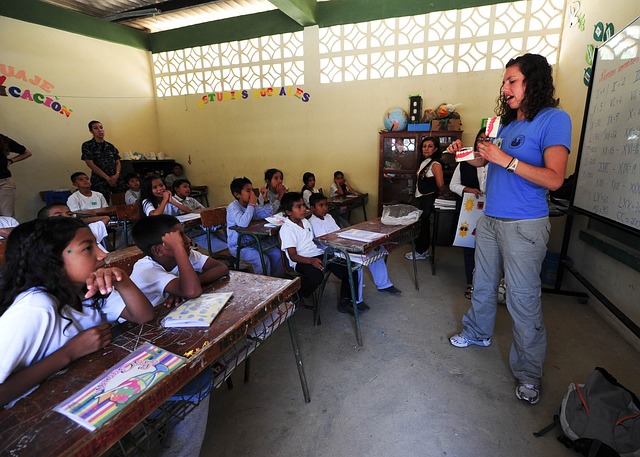
1. 教師展示國(guó)外志愿者教師支教照片,引入本課主題:書信分享支教見聞和感受
2. 教師介紹本課主人公——來(lái)自澳大利亞的Jo來(lái)到巴布亞新幾內(nèi)亞做志愿者教師。
3. 指定一名學(xué)生課前準(zhǔn)備,在課堂上結(jié)合PPT做3分鐘口頭報(bào)告,補(bǔ)充介紹巴布亞新幾內(nèi)亞的情況。
[教學(xué)目的]本環(huán)節(jié)的目的是激活話題詞匯和背景知識(shí)圖式。從單元主題到本課主題,讓學(xué)生根據(jù)圖片預(yù)測(cè)文章內(nèi)容,激活相關(guān)詞匯并;學(xué)生課堂口頭報(bào)告鍛煉口語(yǔ)表達(dá)能力,并展示相關(guān)詞匯。
Step2:Reading forstructure
1.教師通過(guò)課文所配的10幅圖片讓學(xué)生預(yù)測(cè)課文內(nèi)容。
人教版高中英語(yǔ)必修4《Unit 4 Body language》教案【一】
教學(xué)準(zhǔn)備
教學(xué)目標(biāo)
1. 教學(xué)目標(biāo)
(1)知識(shí)目標(biāo):學(xué)生能掌握下列重點(diǎn)單詞和短語(yǔ)的意義和用法:greet, represent, approach, expression, defend, misunderstand, adult, cheek, major, likely, in general。能夠表達(dá)一些Body language.
(2)能力目標(biāo):學(xué)生能掌握基本的閱讀理解方法:速讀,尋讀,歸納中心和查找細(xì)節(jié)。
(3)情感目標(biāo):學(xué)生了解不同國(guó)家和文化的身勢(shì)語(yǔ),激發(fā)學(xué)生學(xué)習(xí)這種語(yǔ)言的興趣。
教學(xué)重難點(diǎn)
教學(xué)重點(diǎn)和難點(diǎn)
(1) 培養(yǎng)學(xué)生的閱讀策略和技巧,讓學(xué)生了解文章的細(xì)節(jié)知識(shí)和文章結(jié)構(gòu)。
(2) 讓學(xué)生合適地使用不同的身勢(shì)語(yǔ)。
(3)課文中現(xiàn)在分詞作定語(yǔ)和狀語(yǔ)的長(zhǎng)難句。
教學(xué)過(guò)程
Step 1. Lead in
(1)The teacher shows a question on screen: How can we communicate with others when we can’t speak ?
Then ask a student to answer.
設(shè)計(jì)說(shuō)明:引出本單元的話題。
人教版高中英語(yǔ)必修4《Unit 2 Working the land》教案【一】
教學(xué)準(zhǔn)備
教學(xué)目標(biāo)
(1)知識(shí)目標(biāo):讓學(xué)生通過(guò)閱讀課文更多地了解我國(guó)著名的農(nóng)業(yè)科學(xué)家袁隆平的科研成果及其影響。
(2)能力目標(biāo):讓學(xué)生進(jìn)一步使用恰當(dāng)?shù)亻喿x方式與技能,如略讀(skimming),快速閱讀(fast reading),細(xì)讀(close reading)等
(3)情感目標(biāo):讓學(xué)生不但學(xué)習(xí)袁隆平的科研精神,更要學(xué)習(xí)他不計(jì)較名利,踏踏實(shí)實(shí)的生活態(tài)度。
教學(xué)重難點(diǎn)
1.閱讀課文更多地了解我國(guó)著名的農(nóng)業(yè)科學(xué)家袁隆平的科研成果及其影響。
教學(xué)過(guò)程
1. 話題的引導(dǎo)。(Pre-reading)
1).開頭通過(guò)設(shè)計(jì)了一首熟悉的詩(shī)歌,讓學(xué)生知道話題---farming.
2).涉及到提高產(chǎn)量從而解決世界饑荒問(wèn)題,從而引出本節(jié)課的中心話題--偉大人物袁隆平。
2. 跟讀與限時(shí)閱讀 完成導(dǎo)學(xué)案練習(xí)
貫徹目的與困難策略,指導(dǎo)學(xué)生根據(jù)不同的閱讀目的,在閱讀的不同階段,靈活使用各種閱讀策略,捕捉文章主要信息,理解作者的寫作意圖,突破本文的教學(xué)重點(diǎn)與難點(diǎn)。采用整體語(yǔ)言教學(xué)法和任務(wù)型語(yǔ)言教學(xué)法。
1)、通過(guò)限時(shí)閱讀訓(xùn)練,引導(dǎo)學(xué)生如何利用略讀(skimming)的方法把握文章的大意,側(cè)重培養(yǎng)快速閱讀理解能力和文章中心把握能力。

以上就是人教版高中英語(yǔ)教案的全部?jī)?nèi)容,人教版高中英語(yǔ)必修1《Unit 3 Travel journal》教案【一】 教學(xué)準(zhǔn)備 教學(xué)目標(biāo) 1. 通過(guò)學(xué)生分享自己的旅游經(jīng)歷,用英語(yǔ)進(jìn)行交流與表達(dá)。 2. 通過(guò)略讀與找讀,使學(xué)生獲取文章主要信息,練習(xí)閱讀技巧。 3. 通過(guò)小組討論為旅游準(zhǔn)備的物品,使學(xué)生用英語(yǔ)簡(jiǎn)單的語(yǔ)言實(shí)踐活動(dòng)。內(nèi)容來(lái)源于互聯(lián)網(wǎng),信息真?zhèn)涡枳孕斜鎰e。如有侵權(quán)請(qǐng)聯(lián)系刪除。